Learn to Meditate
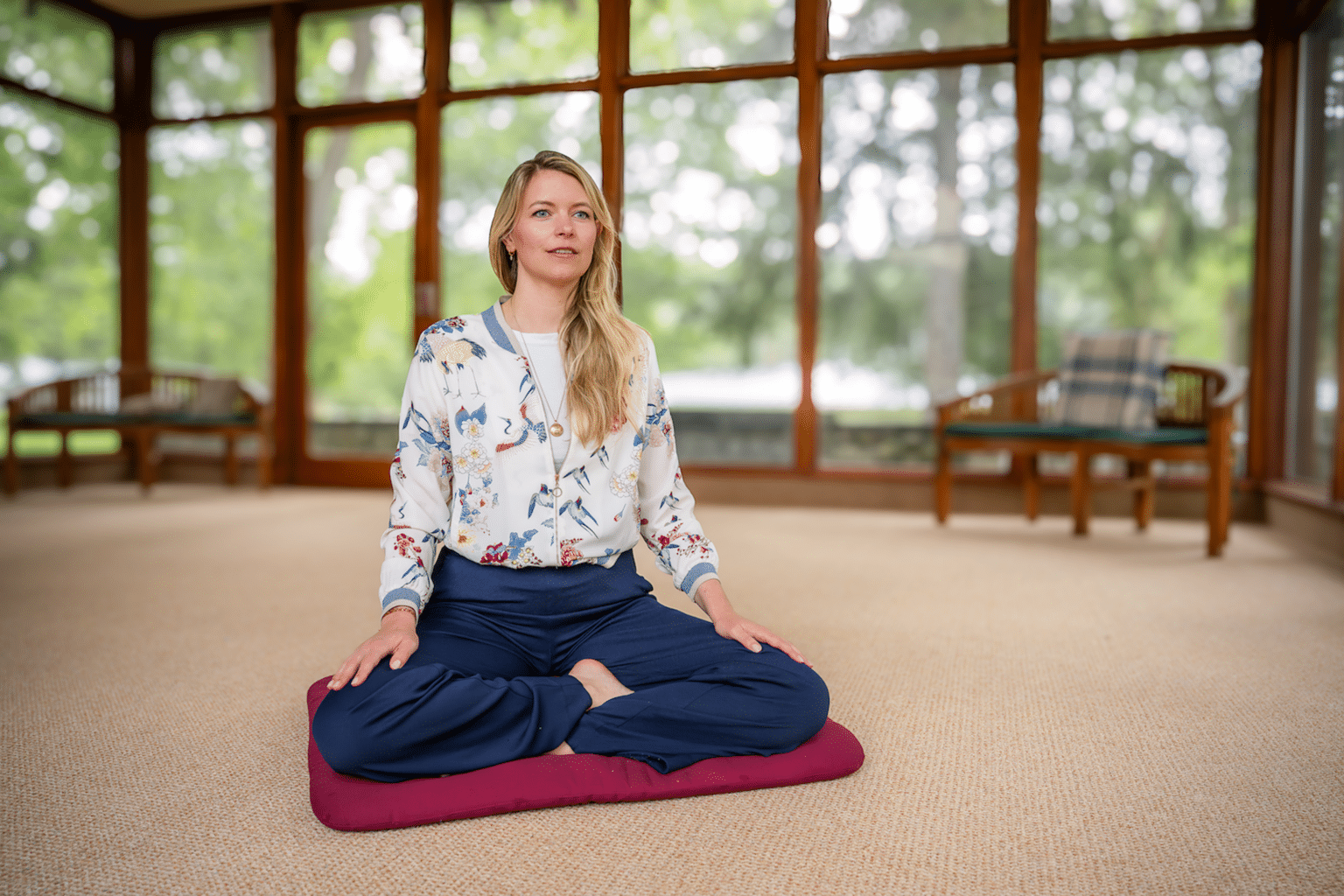
Meditation is discovering a way of ‘being’ rather than ‘doing’. The instructions are simple. Yet the real journey is coming to know our mind and its habits, learning to work skilfully and kindly with emotions and gradually overcoming the distractions of everyday life. Meditation can transform us fully.
In the peace and stillness of meditation, the thick clouds of the busy mind can slowly dissolve and reveal the open sky of our true being. More and more, we find clarity, inner strength and connection to others. Meditation allows us to be fully present in whatever we are doing and connects us to who we really are, to be ‘well in our own skin’.

“In the stillness and silence of meditation, we glimpse and return to that deep inner nature that we have so long ago lost sight of amid the busyness and distraction of our minds.”
Sogyal Rinpoche
The Tibetan Book of Living and Dying
The Journey of Learning to Meditate
Meditation is a journey that begins with calm abiding (called Shamatha in Sanskrit), a practice in which we learn to be simply aware, simply present, and to leave the mind peacefully without being distracted.
Then, with the help of practical methods such as focusing our attention on an object, such as our own breath, we can gradually deepen this experience and can come to a deep state of peace, even glimpsing the true nature of our mind. The more we come to see our true nature, the more free we become from ignorance and delusion that are the root of suffering. Ultimately, as the Buddha himself discovered through practice, meditation leads to the lasting freedom and happiness of enlightenment.
Try a Guided Meditation
See the sky inside of you, with Tenzin Jigme
Meditation alternating breath and awareness, with Mary Ellen
Rest in the awareness of nowness, with Patrick
The Stages of Meditation Practice
It starts with calm
First we practice ‘bringing the mind home’: as we sit, we recognise distraction with awareness and gently come back to the object of our mindfulness such as the breath.
Awareness without a focus
Over time as our mind settles, we can simply and spaciously be aware of whatever we experience, in our mind or the environment around us, without distraction, and without the need to focus on an object or support.
Allowing emotions to come and go
Throughout our practice, we adopt a spacious and gentle approach towards thoughts and emotions: neither blocking them, nor following after them, but allowing them to come and go, held in awareness. Approaching our thoughts and emotions in this way during our formal meditation sessions helps us learn how to be with them, how to deal with them, and how to manage them in our everyday life.
Bringing meditation into our life
All of these meditation methods and training come to life when we apply them in everyday life. While talking, cooking, in meetings, caring for family, we can bring the principles of mindfulness, awareness and spaciousness into action, benefiting ourselves and those around us.

Meditation Beyond Religion
The meditation practised at Rigpa comes from the teachings of the Buddha, in particular from the Nyingma (ancient) tradition of Tibetan Buddhism.
As Sogyal Rinpoche says, meditation is a “practice that cuts through and soars above cultural and religious barriers, and enables those who pursue it to establish a direct contact with the truth of their being. It is a practice that at once transcends the dogma of religions and is the essence of religions.”

Meditations, Courses & Retreats
Drop in Meditation
Join guided meditation sessions suitable for all levels by finding a drop-in class.
Deepen your understanding at your own pace by exploring our self-study materials.
Immerse yourself in practice in a quiet, supportive environment by joining a meditation retreat.